Vacuum Degasser in drilling fluid solids control system
Item No.: ZCQ-vacuum degasser
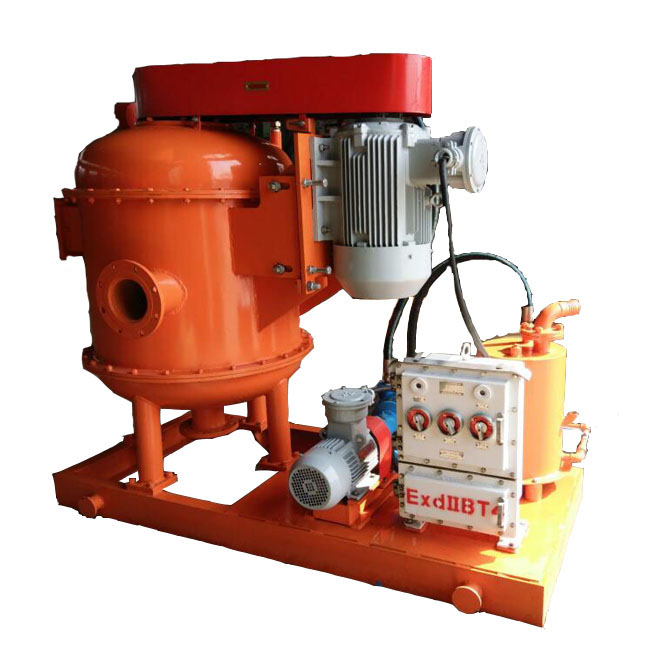
ZCQ vacuum degasser is a crucial component of a drilling fluid solids control system, designed to remove small, entrained gas bubbles from drilling mud. Removing this gas restores the drilling mud's proper density and viscosity, which is essential for mai
A vacuum degasser is a crucial component of a drilling fluid solids control system, designed to remove small, entrained gas bubbles from drilling mud. Removing this gas restores the drilling mud's proper density and viscosity, which is essential for maintaining well control, stabilizing the borehole, and ensuring drilling safety.
How a vacuum degasser works
The operation of a vacuum degasser is based on Henry's Law, which states that a gas's solubility in a liquid is directly proportional to the partial pressure of that gas above the liquid. The degasser uses this principle by creating a low-pressure environment in a sealed chamber.
Mud intake: After being processed by solids control equipment like shale shakers, gas-cut drilling mud is drawn into the degasser tank by the vacuum created inside.
Increased surface area: Inside the tank, the mud flows over a series of baffles or plates, which spreads the fluid into thin layers. This turbulence and increased surface area maximize the exposure of the mud to the vacuum.
Gas separation: The low-pressure environment causes the entrained gas bubbles to expand and rise to the surface more quickly, where they are released from the mud.
Gas removal: A vacuum pump continuously removes the separated gas from the chamber and vents it to a safe flare line.
Discharge: The degassed, heavier mud is then discharged from the bottom of the vessel to the next compartment in the mud tank system.
Why a vacuum degasser is critical
Restores mud weight: Gas contamination, or "gas-cut mud," significantly reduces the drilling fluid's density. The degasser restores the mud to its proper weight, ensuring the hydrostatic pressure in the wellbore is sufficient to prevent formation fluids from entering the well, which could cause a kick or a blowout.
Protects equipment: Gas in the mud can lead to problems with the mud pumps, such as poor suction or abnormal vibration. Removing the gas protects expensive equipment and improves the performance of subsequent solids control devices like desilters and centrifuges.
Improves mud properties: By removing gas, the degasser helps stabilize the mud's viscosity and other properties, which are vital for efficient drilling.
Enhances safety: Some gases from the formation, such as H2S and methane, are toxic and flammable. A degasser removes these harmful gases, greatly improving the safety of the drilling rig and personnel.
Acts as an agitator: As a secondary benefit, the process of drawing in and discharging mud through the degasser provides additional agitation to the drilling fluid, helping to maintain a consistent fluid mixture.





 +86 1871 286 0976

 sales@jxsolidscontrol.com