Enhancing Drilling Fluid Management in tbm Tunnel Projects
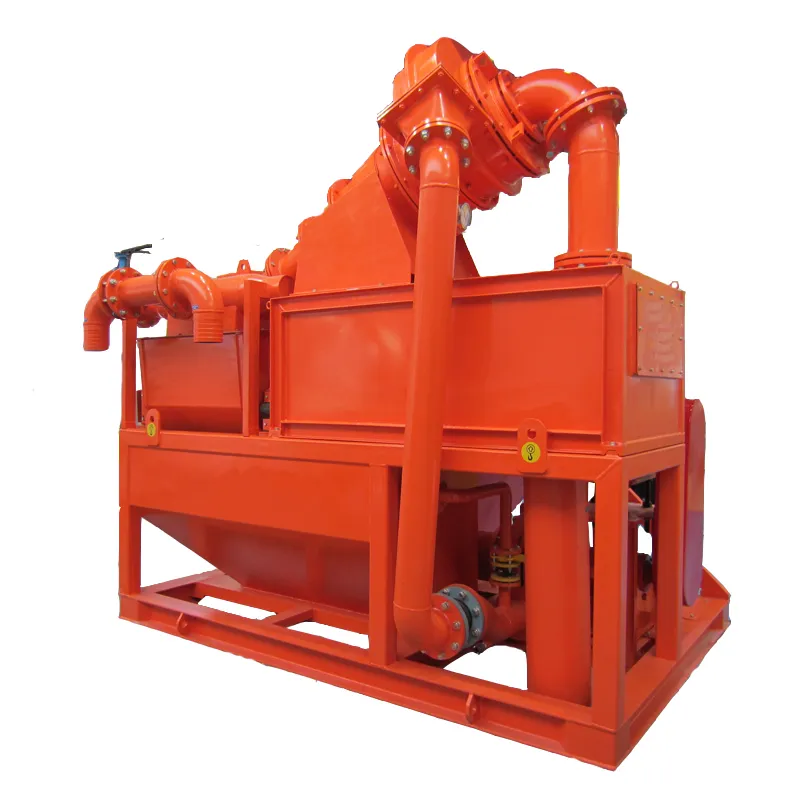
In the realm of tunnel construction, efficient drilling fluid management is paramount. The use of Tunnel Boring Machines (TBM) requires sophisticated systems to ensure that drilling operations are both effective and environmentally responsible. A critical aspect of this is the separation of solids from drilling fluids, commonly known as "mud." The Trenchless & HDD Mud Slurry Cyclone Desander plays a pivotal role in this process. As a leading tbm manufacturer, integrating advanced separation technologies is crucial for optimizing operations. The desander system is an integral part of multi-stage separation processes that enhance the recycling of drilling fluids, thereby reducing costs and minimizing environmental impact. This article delves into the science, benefits, and key considerations of using desanders in TBM projects.
Table of contents:
The Science Behind Cyclonic Separation in tbm Machine Operations
Benefits of Multi-Stage Separation Systems in tbm Tunnel Construction
Key Considerations for Implementing Desanders in tbm Projects
How Desanders Contribute to Sustainable tbm Tunnel Engineering
The Science Behind Cyclonic Separation in tbm Machine Operations
Cyclonic separation is a cornerstone technology in TBM operations, particularly when it comes to managing drilling fluids. The process involves the use of centrifugal forces to separate solids from liquids. As the drilling fluid enters the cyclone, it is subjected to a spinning motion, which forces the heavier solid particles to move outward towards the cyclone walls. These particles are then collected at the bottom, while the cleaner fluid exits from the top. This method is highly efficient and allows for continuous operation, which is essential in large-scale tunnel boring projects. For any tbm supplier, providing equipment that incorporates cyclonic separation is a testament to their commitment to enhancing drilling efficiency and sustainability.
Benefits of Multi-Stage Separation Systems in tbm Tunnel Construction
The implementation of multi-stage separation systems in TBM tunnel construction offers numerous advantages. These systems typically begin with an initial screening process to remove larger debris, followed by desanding and optional desilting stages for finer particle removal. The use of hydrocyclone cones in the desanding phase is particularly effective in reducing the solid content in drilling fluids. This not only extends the life of the drilling equipment by reducing wear and tear but also improves the overall efficiency of the drilling process. For a tbm manufacturer, offering a comprehensive multi-stage separation system is crucial in meeting the diverse needs of tunnel construction projects, ensuring that operations are both cost-effective and environmentally sustainable.
Key Considerations for Implementing Desanders in tbm Projects
When implementing desanders in TBM projects, several key considerations must be taken into account. Firstly, the capacity of the desander system should align with the scale of the project. This includes assessing the solid feed capacity and the specifications for screen areas and desander sizes. Additionally, the choice of pump type is critical, as it must be capable of handling the specific demands of the drilling operation. Another important consideration is the integration of the desander system within the existing TBM infrastructure to ensure seamless operation. A reputable tbm supplier will provide guidance on selecting the appropriate desander models and configurations to optimize performance and efficiency in tunnel construction projects.
How Desanders Contribute to Sustainable tbm Tunnel Engineering
Desanders play a vital role in promoting sustainability in TBM tunnel engineering. By effectively separating solids from drilling fluids, desanders facilitate the recycling of clean fluid, which significantly reduces the consumption of fresh water and the generation of waste. This not only lowers operational costs but also minimizes the environmental footprint of the drilling process. Moreover, the reduced wear on drilling equipment extends its lifespan, further contributing to sustainable practices. For any tbm manufacturer, incorporating desanders into their product offerings underscores their commitment to advancing environmentally responsible engineering solutions. As the demand for sustainable tunnel construction continues to grow, desanders will remain a key component in achieving these objectives.
In summary, the use of desanders in TBM projects is indispensable for efficient and sustainable drilling fluid management. The science of cyclonic separation, coupled with the benefits of multi-stage separation systems, underscores the importance of these technologies in modern tunnel construction. Key considerations for implementing desanders, such as system capacity and integration, are crucial for optimizing performance. As the industry evolves, the role of desanders in promoting sustainability becomes increasingly significant. For a tbm supplier, offering advanced desander systems is not just about meeting current demands but also about paving the way for future innovations in tunnel engineering. With the continuous advancement of technology, TBM projects are set to become more efficient and environmentally friendly, ensuring that they meet the challenges of the future.